

A company with 800 employees faced a language barrier within its workforce. Approximately 50% of the employees were blue-collar workers who preferred to communicate in their regional languages. This language difference created a challenge in effectively implementing and utilizing technology within the company. The company recognized the need for a ticketing software solution that could support multiple languages and provide a seamless user experience for all employees.
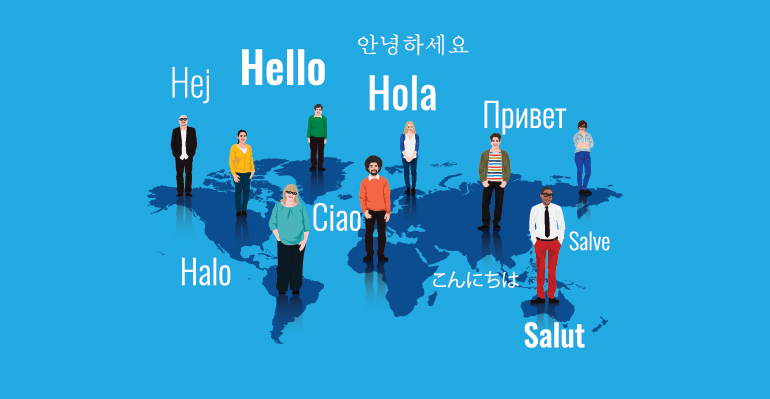
The company decided to implement MTS (My Ticket Solutions), a ticketing software platform that offered comprehensive multilingual support. MTS was specifically chosen for its ability to cater to the diverse language preferences of the workforce. The software incorporated a wide range of regional languages, allowing blue-collar employees to create and manage tickets for their queries, issues, or concerns in their preferred languages.
With the implementation of MTS, the company successfully addressed the language barrier and improved communication and support channels among its workforces. The blue-collar employees, who had previously faced challenges in expressing themselves and receiving assistance due to language limitations, could now fully engage with the software in their regional languages. This not only enhanced their user experience but also streamlined the ticketing process and improved issue resolution times.
MTS provided a user-friendly interface with intuitive language options, enabling employees to create tickets and communicate their needs effortlessly. The multilingual support extended to ticket notifications, updates, and responses, ensuring that employees could receive information and interact with the ticketing system in their preferred languages.
The implementation of MTS had a positive impact on employee satisfaction and engagement. The blue-collar employees felt more included and empowered, as they could now easily raise their concerns and receive support in their regional languages. The software helped bridge the language gap, fostering better collaboration and understanding between employees and the support team.
Furthermore, the company experienced increased efficiency and productivity in issue resolution. With employees able to express themselves more effectively and in their preferred languages, support teams could understand and address their needs promptly. This resulted in faster ticket resolution times and improved overall employee productivity.