
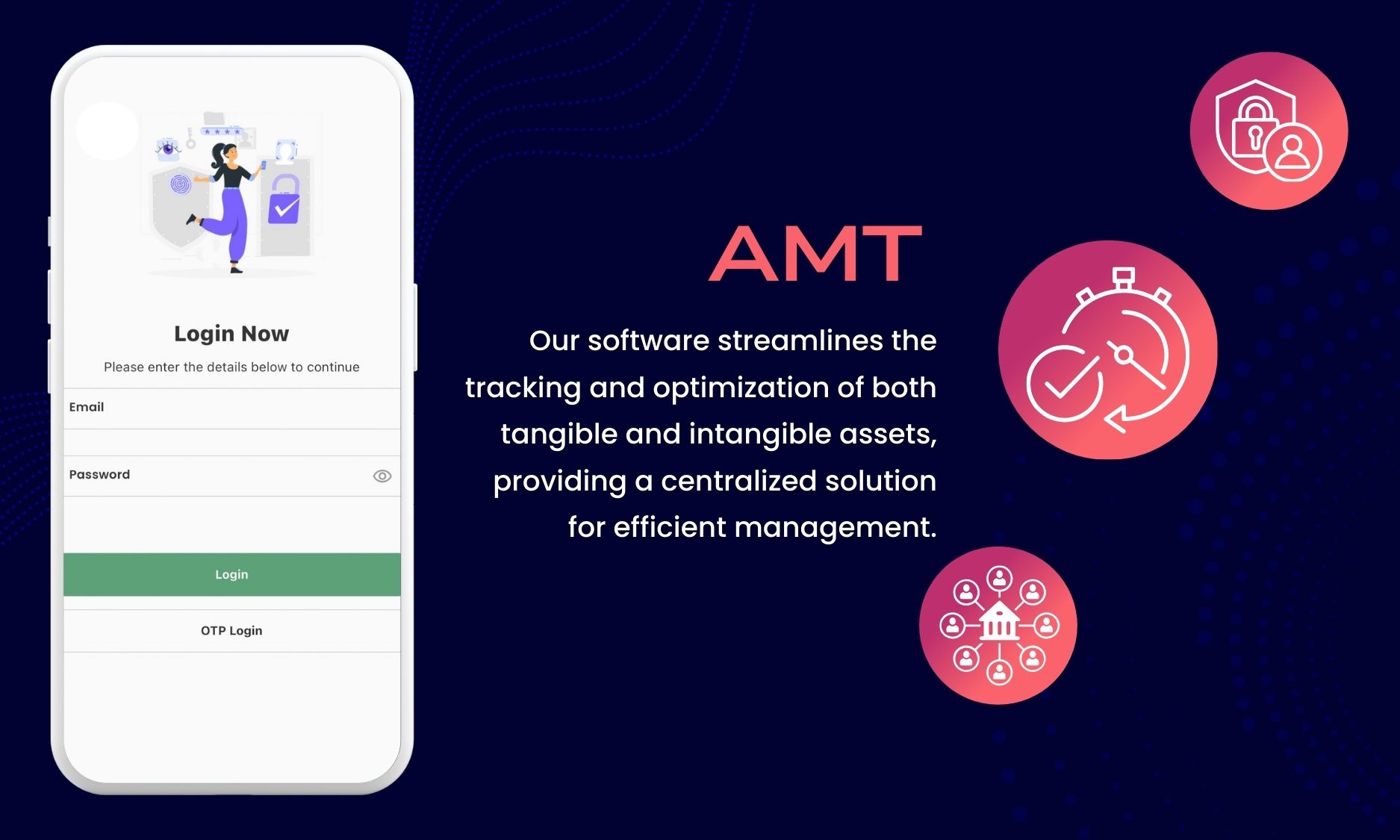
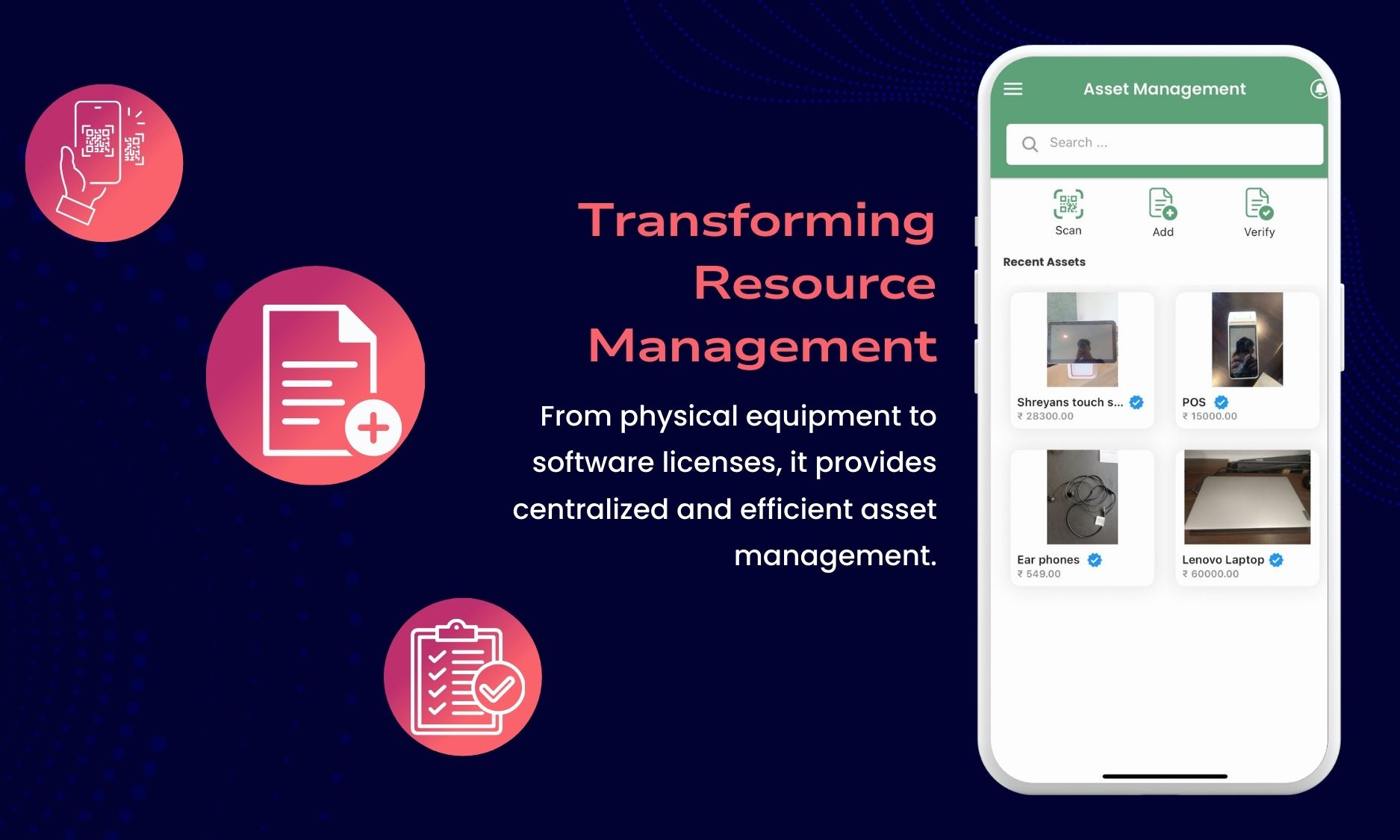
The software has revolutionized the way organizations handle their valuable resources, both tangible and intangible. This software represents a comprehensive solution designed to streamline the tracking, monitoring, and optimization of assets throughout their entire lifecycle. Whether it's physical assets like equipment and machinery or intangible assets like software licenses, asset management software provides a centralized platform for efficient management.
Here's a brief overview of key aspects of asset management software
Centralized Asset Repository
The software serves as a centralized repository for all types of assets within an organization. It consolidates crucial information such as asset details, location, acquisition date, and depreciation history, providing a holistic view of the asset landscape.
Real-time Visibility
One of the primary advantages of asset management software is the real-time visibility it offers into the status and condition of assets. This involves maintaining a centralized database with detailed information about each asset, including its location, status, maintenance history, and other relevant details.
Efficient Depreciation Tracking
The software automates the calculation and tracking of asset depreciation, supporting various depreciation methods. This is crucial for financial reporting and planning, helping organizations understand the decrease in the value of their assets over time.
Timely Verification
Timely verification ensures that the physical presence and condition of assets align with the records in the system. This ensures that physical assets align with the digital records, reducing the risk of discrepancies and supporting regulatory compliance.
QR Code Integration
QR codes are a convenient and efficient way to uniquely identify and track assets. These codes can be printed and affixed to physical assets, enabling quick and accurate scanning for tasks such as asset audits, check-ins, or maintenance activities.
Cost Management and Budgeting
The software provides insights into the costs associated with each asset, including acquisition costs, maintenance expenses, and depreciation. This information is valuable for budgeting, forecasting, and optimizing resource allocation.
Bulk Upload
The bulk upload feature in software allows users to upload asset information in batches, typically using spreadsheet formats (e.g., CSV). This streamlines the initial setup and ongoing maintenance of the asset database, saving time and reducing the risk of data entry errors.
User Accessibility and Security
The software typically offers different levels of access based on user roles, ensuring that only authorized personnel can view or modify specific asset information. This helps maintain data security and privacy.
Regulatory Compliance
The software assists organizations in adhering to industry regulations and internal policies by tracking compliance requirements. This is crucial for avoiding penalties, ensuring workplace safety, and maintaining the integrity of financial reporting.
We have got the perfect solution for you. Let's build it together!